Malaysia is known globally for its incredible food culture — from nasi lemak stalls and kopitiams to high-end fine dining restaurants in Kuala Lumpur. But beyond taste and tourism, the food and beverage (F&B) industry plays a powerful role in Malaysia’s economy.
So how is the restaurant business doing right now?
Is it growing?
Is it creating jobs?
And how important is it to Malaysia’s overall economy?
The Current State of Malaysia’s F&B Industry
Malaysia’s restaurant and food services sector has made a strong recovery after the COVID-19 pandemic. With international tourism returning and domestic spending increasing, the industry is showing stable growth in 2024–2025.
According to Malaysia’s Tourism Satellite Account (Department of Statistics Malaysia), tourism-related industries generated approximately RM 291.9 billion in 2024, contributing about 15.1% to Malaysia’s GDP.
Restaurants and food outlets are major beneficiaries of tourism spending.
Popular food hubs like:
- Kuala Lumpur
- Penang
- Johor Bahru
- Langkawi
have seen strong foot traffic from both international and local visitors.
How Big Is the Industry?
Malaysia has tens of thousands of food and beverage establishments, including:
- Restaurants
- Cafés
- Hawker stalls
- Food courts
- Mobile food trucks
- Catering services
The Economic Census 2023 confirms that F&B is one of the most active SME-driven industries in the country.
Small and medium-sized businesses dominate this sector, making it one of the most accessible industries for entrepreneurship.
Job Creation: How Many Jobs Does It Produce?
The F&B industry is one of Malaysia’s biggest job creators.
Direct Jobs Created
Restaurants employ:
- Chefs
- Kitchen assistants
- Waiters and waitresses
- Baristas
- Cashiers
- Restaurant managers
- Cleaning staff
The sector provides thousands of employment opportunities, especially for:
- Young people
- Students
- Entry-level workers
- Part-time job seekers
Growth of Delivery & Gig Jobs
Food delivery platforms such as:
- GrabFood
- Foodpanda
- ShopeeFood
have significantly expanded employment opportunities.
Thousands of riders across Malaysia now work in the delivery ecosystem. This gig economy model offers flexible income opportunities, especially in urban areas.
The rise of cloud kitchens and delivery-first restaurants has also created backend kitchen jobs and digital marketing roles.
Economic Impact on Malaysia
The restaurant and food & beverage (F&B) industry plays a significant role in Malaysia’s economy in several ways.
Contribution to GDP
Spending on dining, particularly from tourism, contributes billions of ringgit to Malaysia’s GDP. Restaurants benefit directly from this consumption, making the industry an important economic driver.
SME Development
The F&B sector is one of the most accessible industries for starting a small business. Many entrepreneurs begin with a small café, a home-based catering service, a hawker stall, or a food truck. This encourages the growth of small and medium enterprises (SMEs) and promotes local entrepreneurship.
Support to Agriculture and Manufacturing
Restaurants rely heavily on local farmers, fisheries, food manufacturers, beverage producers, and logistics providers. As the restaurant sector grows, the entire supply chain expands, creating more economic activity across multiple sectors.
Digital Economy Growth
The rise of online ordering, QR code menus, digital payments, and delivery apps has strengthened Malaysia’s digital economy. Technology integration in food services has opened new opportunities in app development, payment systems, marketing automation, and logistics technology.
📈 Key Trends in 2025
Here are some important trends shaping Malaysia’s F&B industry:
🔹 Cloud Kitchens & Delivery-First Models
Many restaurants now operate without physical dine-in space. This reduces overhead costs and focuses on online orders.
🔹 Experience Dining
Customers are looking for unique dining experiences — themed cafés, fusion cuisine, and Instagram-friendly restaurants.
🔹 Rising Costs
Operators face challenges such as:
- Higher food ingredient prices
- Increased wages
- Utility costs
Many businesses are adjusting menus or increasing prices carefully.
🔹 Technology Adoption
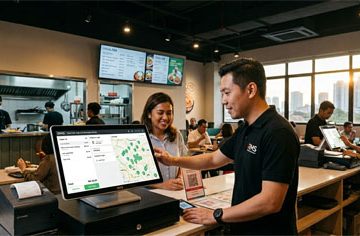
Contactless payments, QR ordering, and POS systems are now standard across most urban restaurants.
Challenges Facing the Industry
Despite strong recovery, challenges remain:
- Profit margins are tight due to rising costs
- Competition is high in major cities
- Skilled chefs and trained hospitality workers are in demand
- Gig workers often lack job security
Businesses that adapt quickly with smart cost control and digital strategies are performing better.
What’s the Future Outlook?
The future of Malaysia’s restaurant industry looks positive but competitive.
Growth will likely continue due to:
- Tourism recovery
- Urbanization
- Expanding middle-class spending
- Digital transformation
However, sustainability, innovation, and efficiency will determine which businesses thrive.
Final Thoughts
Malaysia’s food culture is not just about taste — it’s a powerful economic engine.
The restaurant and F&B industry:
✔ Contributes significantly to GDP
✔ Creates thousands of jobs
✔ Supports SMEs and entrepreneurs
✔ Strengthens agriculture and supply chains
✔ Accelerates digital transformation
In 2025, the industry is growing steadily — but success depends on adaptation, innovation, and resilience.
Malaysia’s F&B sector remains one of the most vibrant and economically important industries in the country.

0 Comments