Opening a restaurant in Malaysia can be a profitable and exciting venture. The Malaysian restaurant industry continues to grow steadily, supported by tourism, urbanization, and a strong food culture. However, timing, location, concept, and menu planning are critical factors that determine success. This guide will help new entrepreneurs understand the best time to open a restaurant in Malaysia and how to make smart decisions from the beginning.
When Is the Best Time to Open a Restaurant in Malaysia?
The best time to open a restaurant in Malaysia is typically during the first or second quarter of the year, between January and June. This period allows new businesses to establish operations before peak seasons such as mid-year holidays and year-end tourism.
Opening before major festive seasons like Hari Raya, Chinese New Year, and school holidays can also boost early revenue. These periods increase dining demand significantly. However, preparation must begin at least three to six months earlier to secure licenses, finalize location agreements, hire staff, and complete renovations.
Economic stability also plays an important role. When consumer spending is strong and tourism is recovering or growing, the restaurant business benefits directly. Monitoring market trends in Malaysia’s F&B industry helps reduce risk and improve timing decisions.
What Type of Restaurant Should You Open in Malaysia?
Choosing the right restaurant concept is essential. New entrepreneurs should focus on manageable and scalable models rather than high-risk luxury concepts at the beginning.
Small cafés are a popular option in urban areas. They require moderate investment and attract young professionals and students. Coffee culture continues to grow in Malaysia, especially in Kuala Lumpur and Penang.
Hawker-style eateries or casual dining restaurants are also strong choices. Malaysia has a deep street food tradition, and affordable local food always has demand. This model keeps operating costs lower while maintaining steady customer flow.
Food trucks are another attractive option for beginners. They require less capital than full-scale restaurants and allow flexibility in location. Entrepreneurs can test different areas before committing to a permanent outlet.
Cloud kitchens are gaining popularity as well. With the rise of online delivery platforms, running a delivery-only kitchen reduces rental costs and focuses on digital sales.
Where Should You Open a Restaurant in Malaysia?
Location is one of the most critical factors in restaurant success. High foot traffic areas generally offer better opportunities.
Kuala Lumpur remains the strongest market due to population density, corporate offices, and tourism. Areas near office districts, shopping malls, universities, and transit hubs perform well.
Selangor is ideal for suburban family dining concepts. Rapid urban development has created strong demand for neighborhood restaurants.
Penang offers strong opportunities for café culture and fusion food concepts. The tourism industry supports creative and premium dining experiences.
Johor Bahru benefits from cross-border visitors and growing residential developments. Casual dining and mid-range restaurants perform well here.
Before choosing a location, entrepreneurs should evaluate rental costs, competition density, parking availability, and target customer demographics.
What Type of Menu Works Best in Malaysia?
Malaysia is known for its diverse food culture. A successful menu should reflect both local preferences and modern trends.
Local Malaysian dishes such as nasi lemak, char kway teow, and roti canai always have steady demand. Including popular local favorites increases acceptance and repeat customers.
Fusion cuisine is also growing. Combining Malaysian flavors with Western or Korean influences attracts younger customers.
Health-conscious menus are becoming more popular, especially in urban areas. Offering vegetarian, low-calorie, or organic options can help capture niche markets.
Affordable pricing is important. While premium dining has its place, most successful new restaurants focus on value-for-money meals.
Menu size should remain focused and efficient. A smaller menu reduces inventory waste and simplifies kitchen operations. Entrepreneurs should test demand and adjust based on customer feedback.
Financial Planning and Budget Considerations
New entrepreneurs should carefully calculate startup costs. Major expenses include rental deposits, renovation, kitchen equipment, licensing, staff salaries, and marketing.
Rental cost should ideally not exceed 10 to 15 percent of projected monthly revenue. Maintaining cash flow for at least six months is strongly recommended to handle unexpected slow periods.
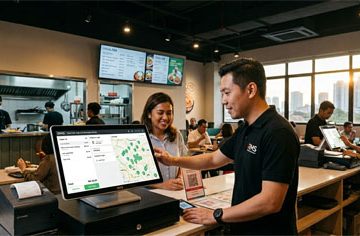
Using restaurant management software can improve operational efficiency, reduce waste, and track performance from day one.
Final Thoughts
Opening a restaurant in Malaysia offers strong potential, but success depends on careful planning. Choosing the right time, selecting a suitable concept, securing a strategic location, and designing a focused menu are key factors.
Entrepreneurs who start small, understand their target market, and manage costs wisely have a much higher chance of building a sustainable restaurant business in Malaysia.
With proper research and preparation, the Malaysian F&B industry continues to provide excellent opportunities for new entrepreneurs ready to take action.
0 Comments