Opening a restaurant in Malaysia can be a profitable business opportunity. The food and beverage industry continues to grow due to tourism, urbanization, and strong local demand. However, before serving your first customer, you must complete several legal and operational steps. This guide explains the licenses required to open a restaurant in Malaysia and why restaurant management software is essential for smooth operations.
Business Registration with SSM

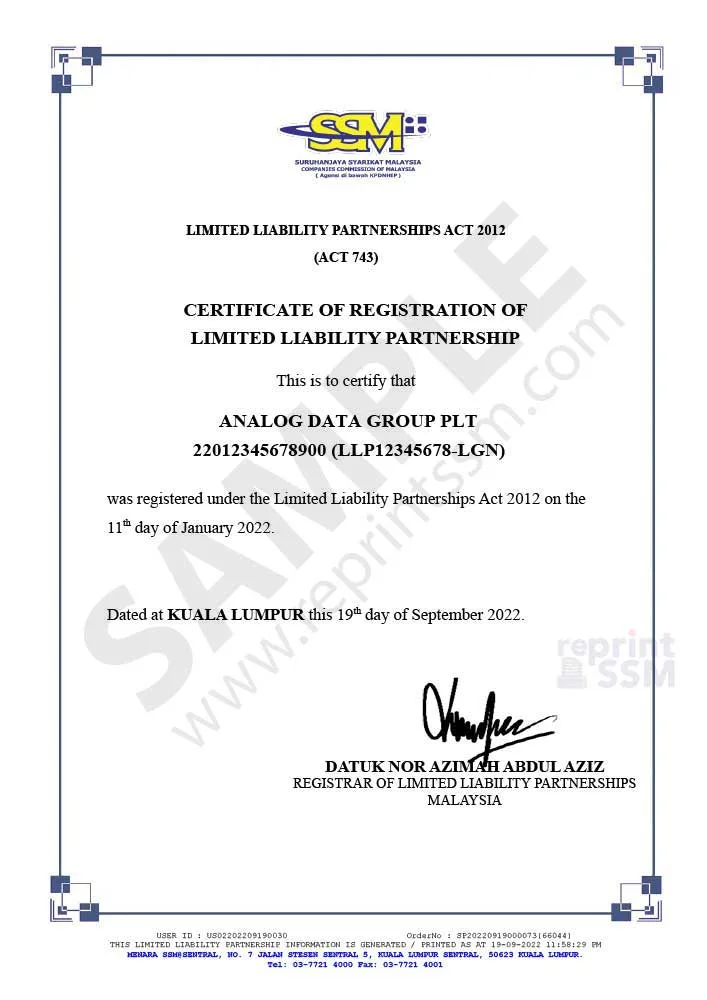
The first step is registering your business with Suruhanjaya Syarikat Malaysia (SSM). You can register as:
- Sole Proprietorship
- Partnership
- Private Limited Company (Sdn Bhd)
After registration, you will receive your business registration certificate. This document is mandatory for opening a business bank account and applying for other licenses.
Local Council License (DBKL or Municipal Council)

You must obtain a business premise license from your local authority. For example, restaurants in Kuala Lumpur require approval from Dewan Bandaraya Kuala Lumpur (DBKL).
Documents typically required:
- Copy of SSM registration
- Tenancy agreement or property ownership documents
- Building plan approval
- Signboard license application
- Fire safety approval
The local council will inspect your premises before issuing the license.
Food Handling and Health Requirements

All food handlers must:
- Attend certified food handling training
- Receive Typhoid vaccination
- Obtain a medical check-up
The restaurant must comply with guidelines from the Ministry of Health Malaysia. Hygiene and cleanliness standards are strictly enforced.
Fire Department Approval
Before operating, you must get fire safety clearance from Jabatan Bomba dan Penyelamat Malaysia. They will check:
- Emergency exits
- Fire extinguishers
- Smoke detectors
- Electrical safety
Without this approval, your restaurant cannot legally operate.
Halal Certification (Optional but Recommended)

If you plan to serve Muslim customers, applying for halal certification from Jabatan Kemajuan Islam Malaysia (JAKIM) increases customer trust and expands your market reach.
Other Important Requirements
Additional steps may include:
- Signboard license approval
- Liquor license (if selling alcohol)
- EPF and SOCSO registration for employees
- LHDN tax registration
- E-Invoicing compliance (as required by Malaysian tax authorities)
Make sure all documentation is complete before launching.
What to Do After Getting Licenses
Once your licenses are approved:
- Hire trained kitchen and service staff
- Finalize supplier contracts
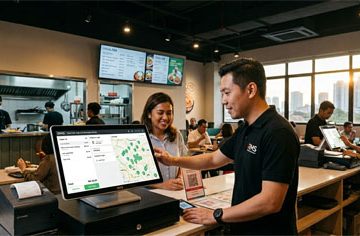
- Set up POS system
- Prepare marketing strategy
- Conduct soft opening
Proper planning ensures smooth business operations from day one.
Why You Need Restaurant Management Software

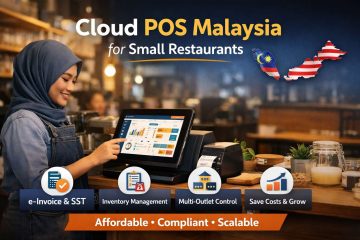
Running a restaurant manually can cause major problems such as wrong orders, inventory loss, and financial mismanagement. A restaurant management software (RMS) helps solve these issues.
Key Benefits:
1. Order Accuracy
Reduces kitchen errors and improves customer satisfaction.
2. Inventory Control
Tracks stock in real-time and reduces food waste.
3. Financial Reporting
Generates daily sales reports, profit analysis, and expense tracking.
4. E-Invoicing Compliance
Helps meet Malaysian tax regulations.
5. Staff Monitoring
Tracks employee performance and attendance.
With digital tools, you can reduce losses and improve operational efficiency. In today’s competitive Malaysian F&B market, restaurant management software is no longer optional. It is essential.
Final Thoughts
Opening a restaurant in Malaysia requires proper licensing, strict compliance, and operational planning. From SSM registration to local council approvals and health inspections, each step is important. Once legally established, investing in restaurant management software ensures long-term sustainability and profitability.
If you plan carefully and comply with regulations, Malaysia offers strong growth opportunities for restaurant entrepreneurs.
0 Comments